Neo Deco / Printable Art
Neo Deco Prints & Wall Art
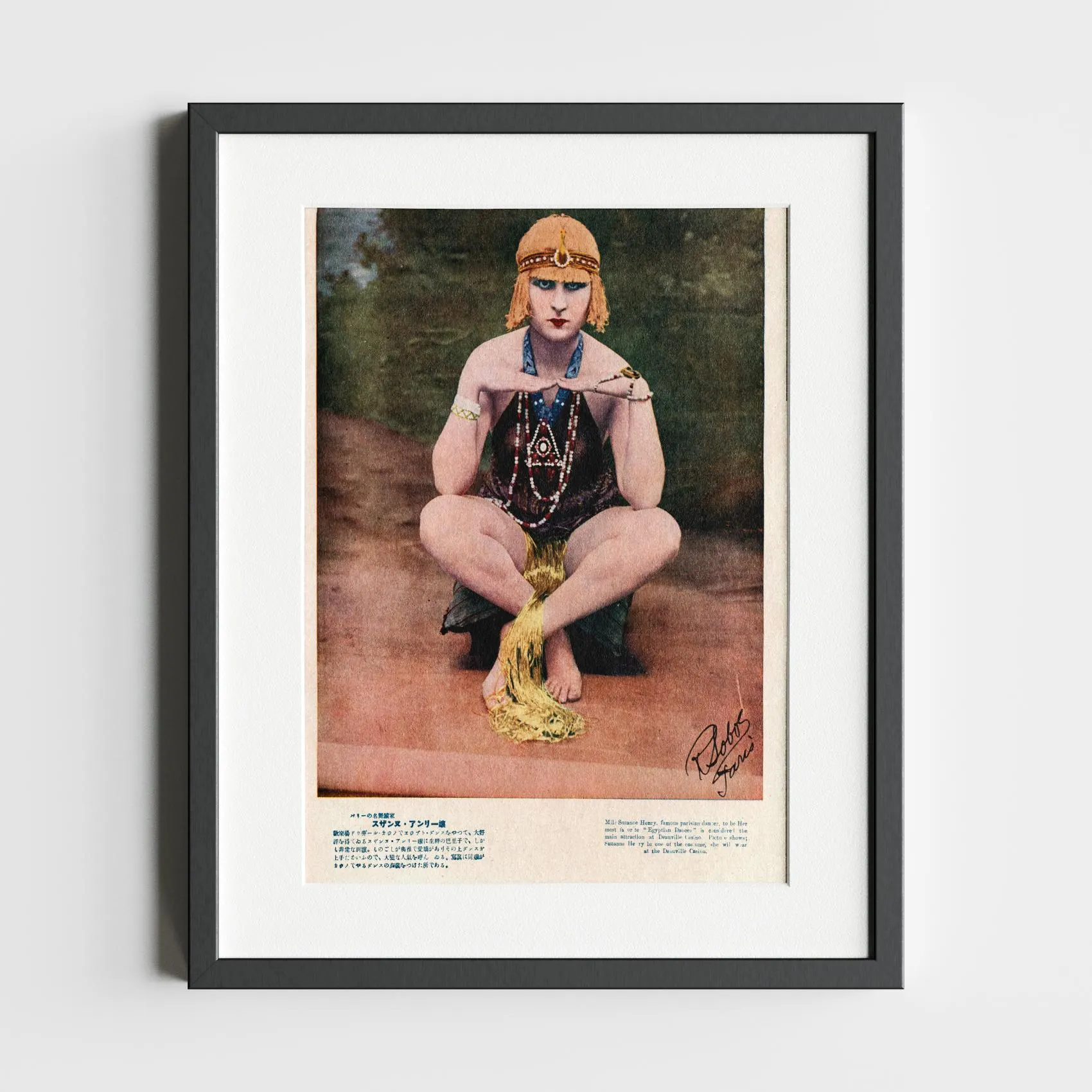
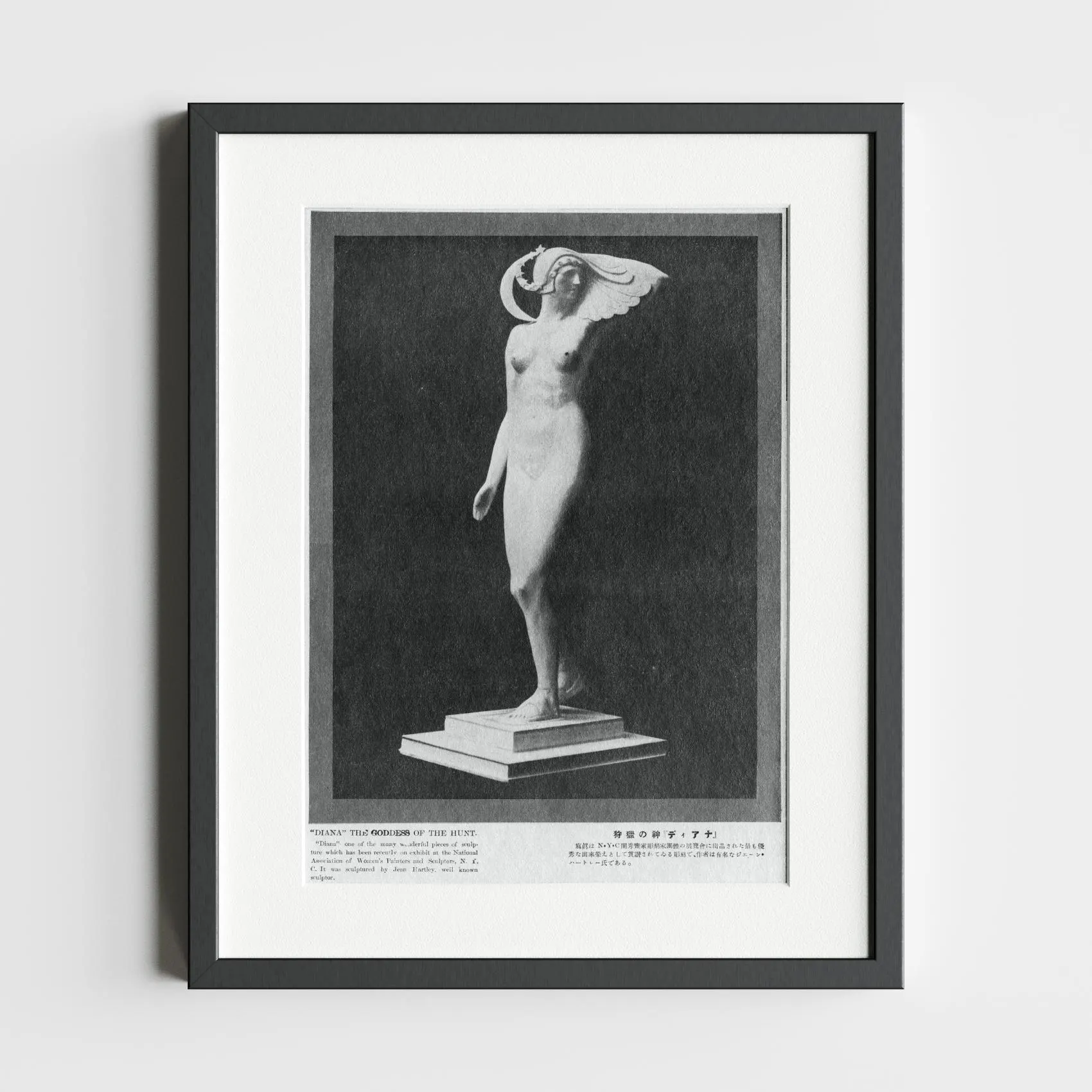
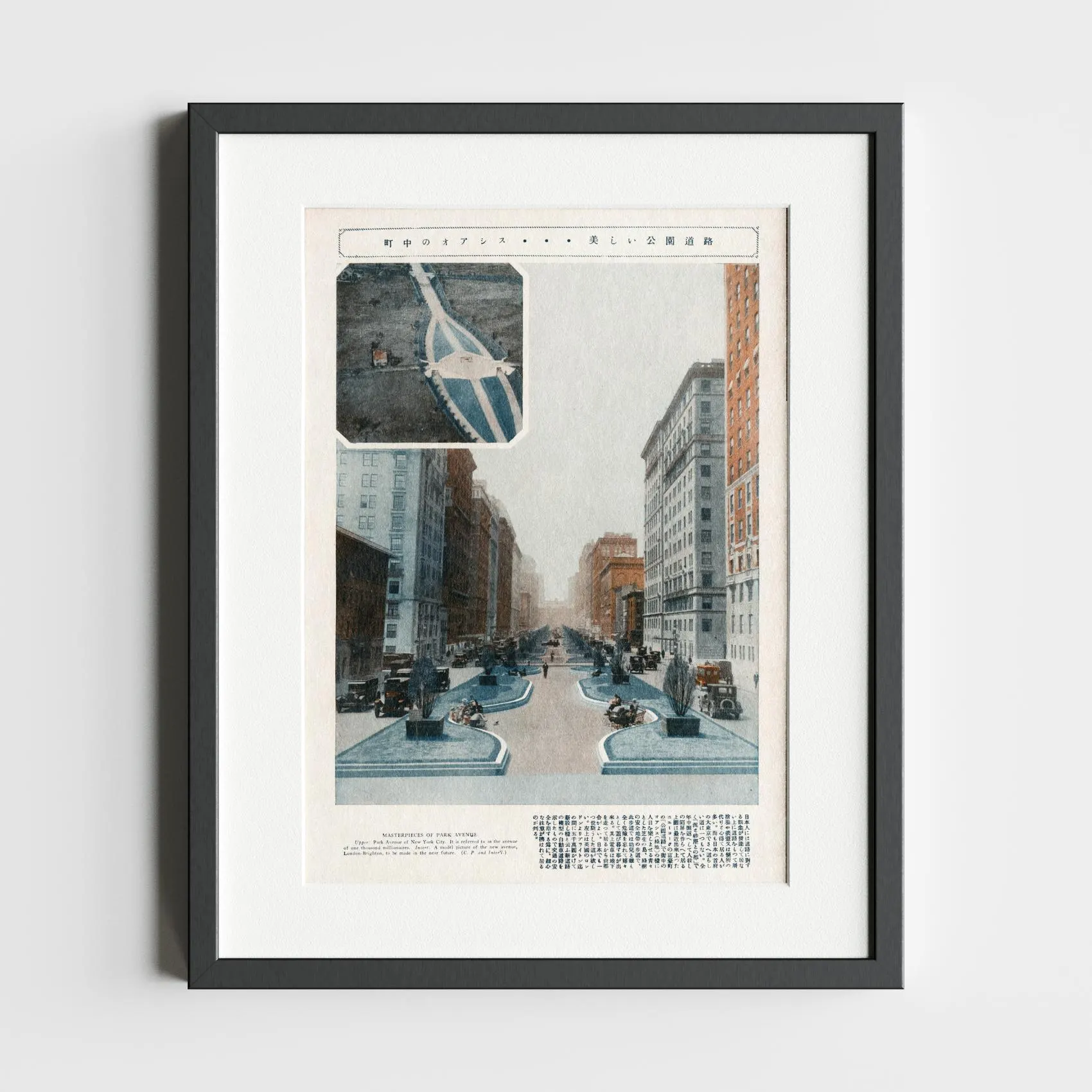
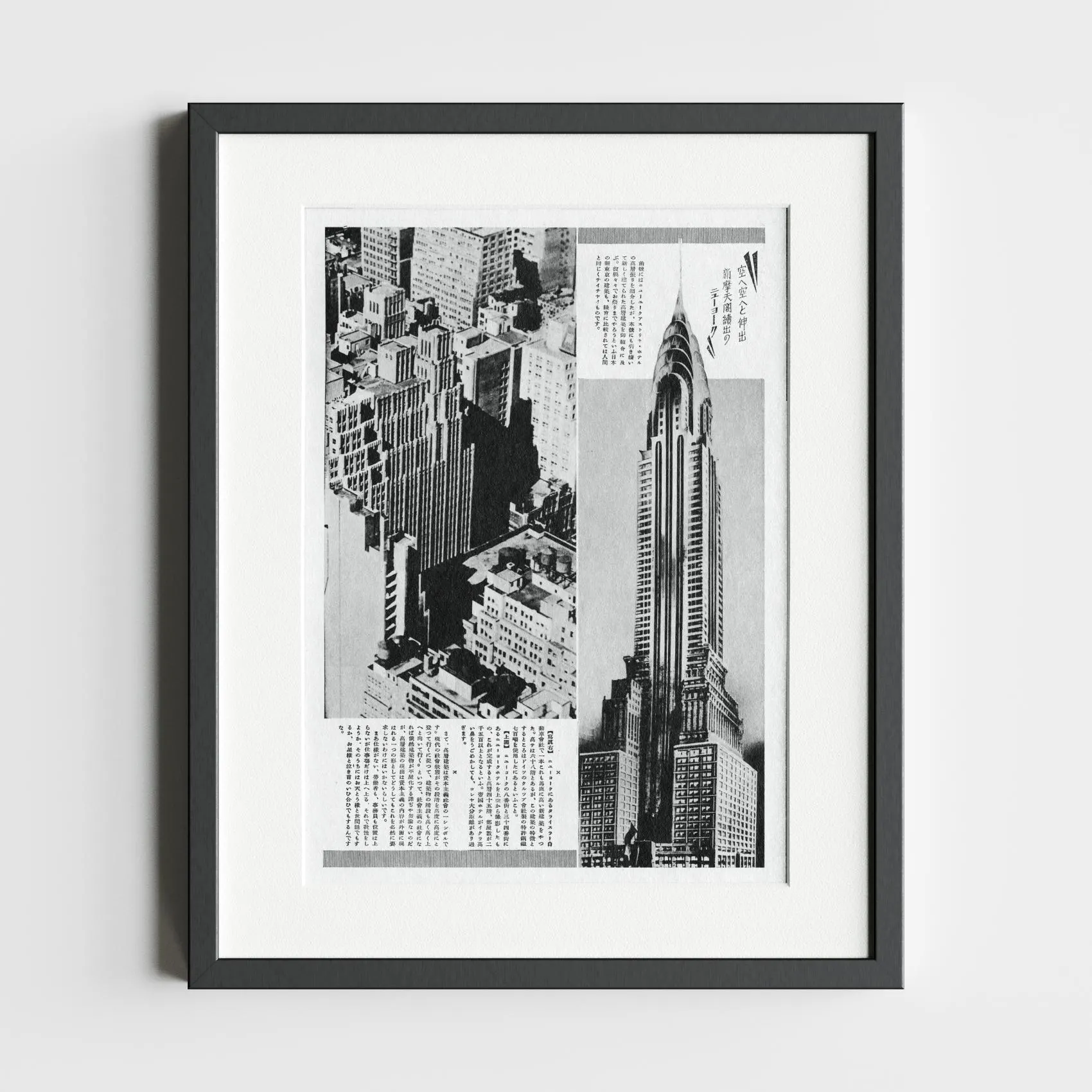
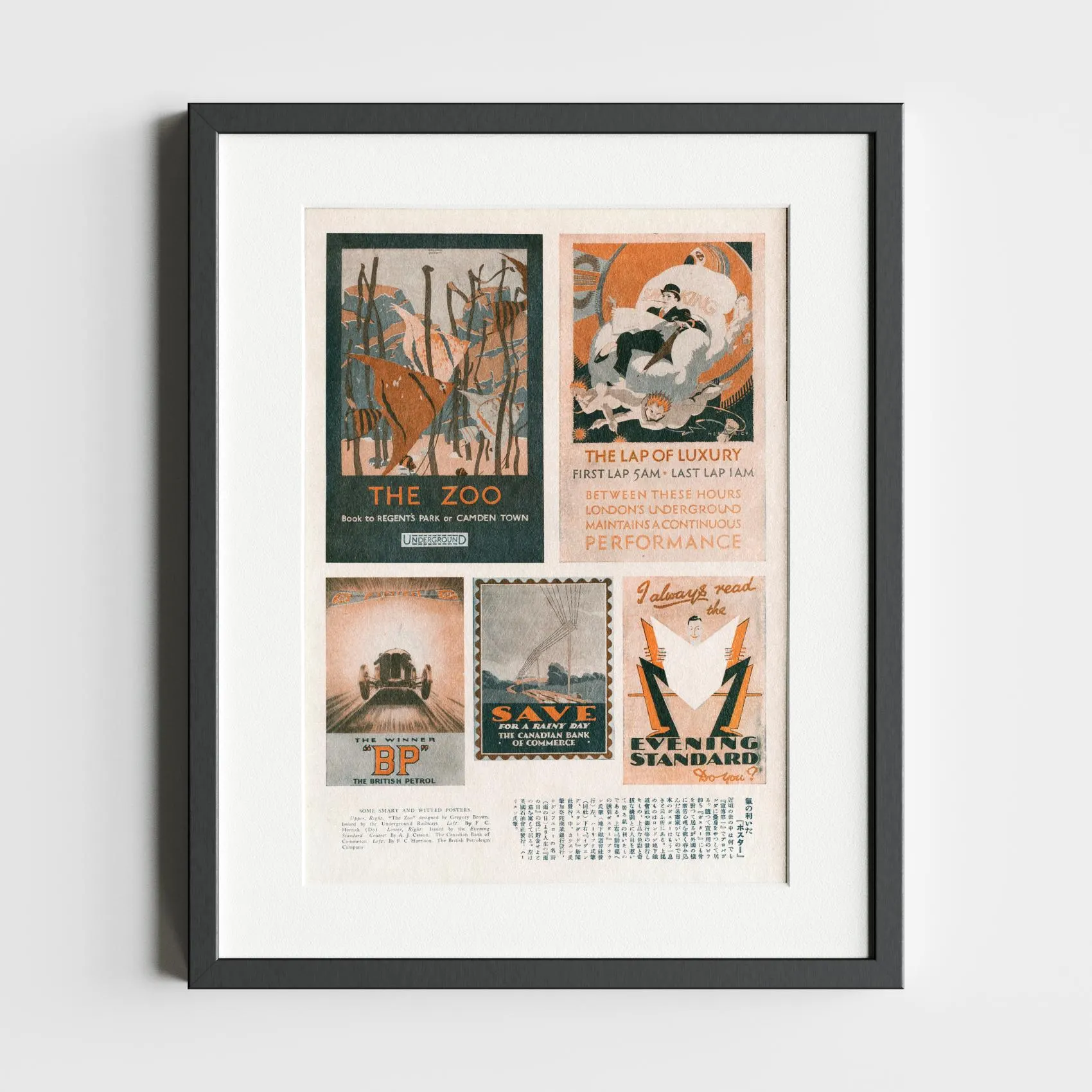
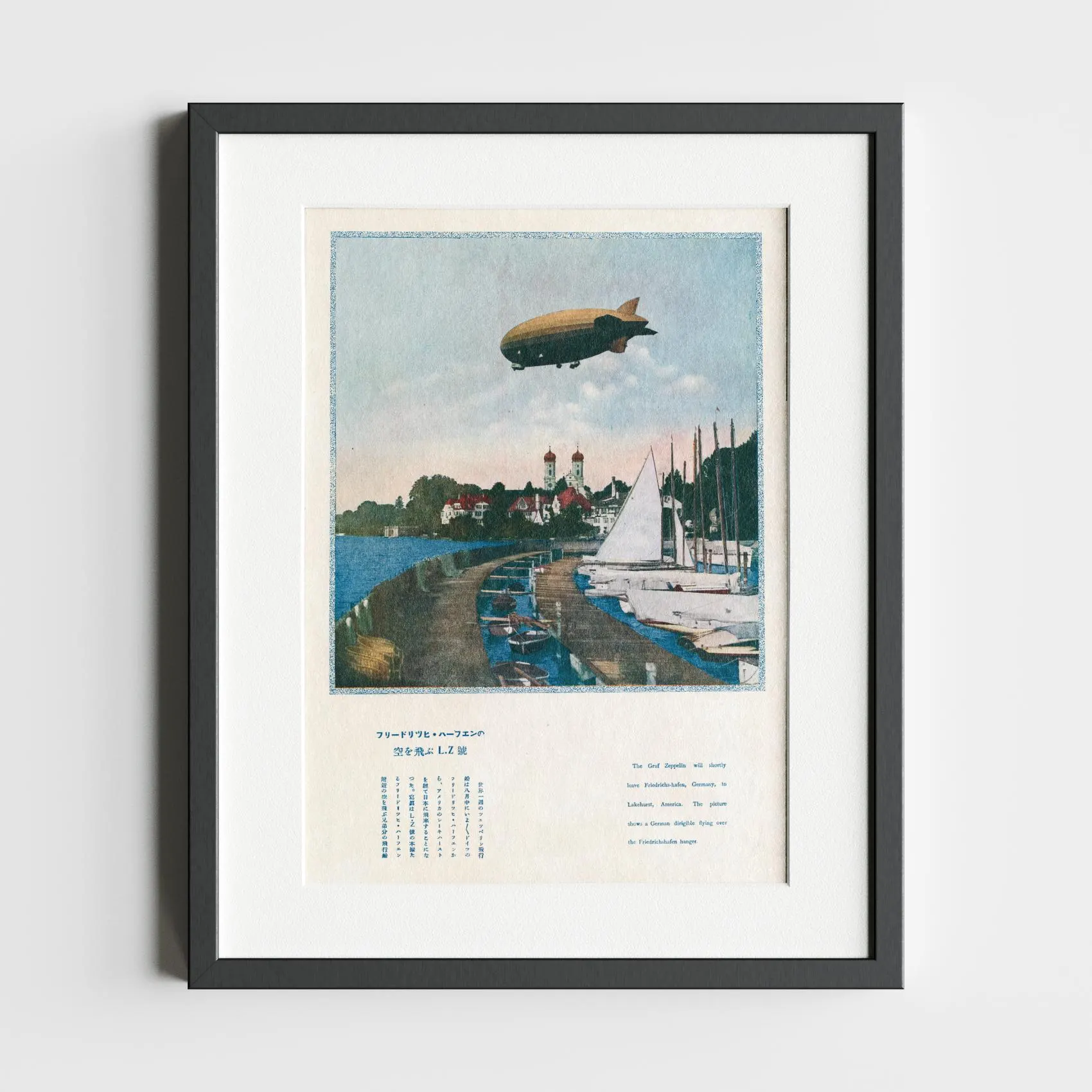
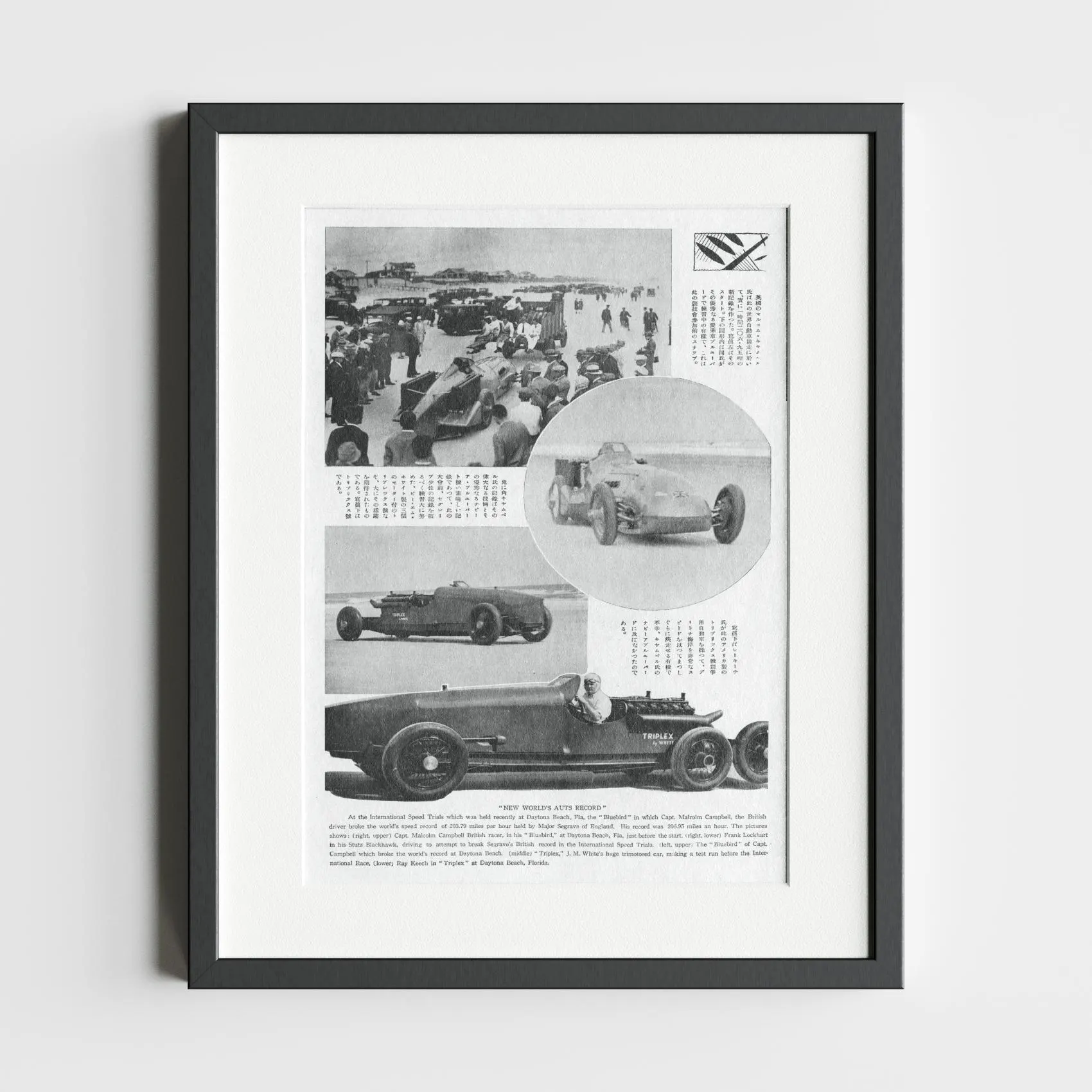
Neo Deco brings Art Deco geometry into contemporary rooms: strong symmetry, black-and-gold accents, archive texture, and printable artwork that looks like a real find — not a generic poster. Every print starts as a real 1920s source page, restored for modern walls — not generated, not filtered.
Curated by the 100 Years of Art studio · Updated June 2026
The style
What is Neo Deco?
Neo Deco is the contemporary reinterpretation of Art Deco — the decorative movement that dominated architecture, fashion, and visual art between 1920 and 1939. Where original Art Deco celebrated the machine age with lavish ornamentation, Neo Deco distils those forms into a cleaner, more minimal register that suits modern interiors.
Pinterest Predicts 2026 named it a defining interior trend: it gives a room geometric weight and drama without the clutter of maximalism. It's an emerging look, not a historical movement — a fresh take on Deco rather than a new school of its own.
Geometric precision
Sunbursts, stepped ziggurat forms, chevrons, fan motifs, and radiating lines — the shape language of Art Deco reduced to its structural essentials.
Deep, grounded colour
Bottle green, midnight blue, burgundy, brass, peacock blue. The range runs from soft Japanese pigments to bold interwar poster colour, so it works on light and dark walls alike.
Archive texture
Built from authentic 1920s sources, these prints carry the ink weight and paper grain of the original page — not a digital imitation of it.
Instant digital delivery
High-resolution files prepared for home printing or professional print services. Frame-ready from A5 to A2 and larger.
From Art Deco to Neo Deco
Art Deco emerged in Paris before the 1925 Exposition internationale des arts décoratifs et industriels modernes — the event that gave the movement its name. It spread globally through the late 1920s and 1930s, shaping everything from Manhattan skyscrapers to Tokyo department stores, Buenos Aires cinemas to Mumbai railway stations.
The core visual grammar never disappeared, but fell out of mainstream fashion after World War II. Midcentury modernism stripped away ornament; postmodernism referenced Deco only ironically. It took the 2020s — with their appetite for warmth, craft, and pattern after a decade of stark minimalism — to bring Deco geometry back as a serious design choice.
Neo Deco is the result: the same vocabulary of fans, ziggurats, and radiating symmetry — but one print on a clean wall, where a 1928 Paris salon would have covered every surface in gilded stucco. Framed in brass or thin black metal, it becomes the focal point above minimal furniture.
Art Deco vs Neo Deco at a glance
In short: Art Deco is the lavish 1920s original; Neo Decois its pared-back modern revival — the same geometry, used sparingly. It also goes by “modern Art Deco” or the “Art Deco revival”, and shouldn't be confused with Art Nouveau, whose lines are organic and flowing rather than geometric.
| Art Deco | Neo Deco | |
|---|---|---|
| Era | 1920–1939, machine-age optimism | 2020s revival, named a 2026 trend by Pinterest Predicts |
| Ornament | Lavish — gilded stucco, layered pattern, floor to ceiling | Restrained — one statement print anchors a minimal room |
| Palette | Gold, jade, lacquer red, chrome | Champagne gold, warm black, bottle green, midnight blue |
| Forms | Sunbursts, ziggurats, chevrons, fans | The same geometry with cleaner spacing and modern framing |
| Medium | Architecture, furniture, posters, jewellery | Printable wall art, digital downloads, brass accents |
Why authentic sources matter
A real 1920s scan keeps the ink density, paper grain, and small imperfections of interwar printing — detail that digital recreations flatten out. You see it the moment the print is on a wall.
Art Deco was built for grand interiors. Neo Deco keeps the geometry and lets a single print carry the room.
The Neo Deco visual language
Neo Deco is built from a small, recognisable set of shapes and a deep, confident palette. Once you can name them, you start to see them across the whole collection.
Motifs to look for
- Sunburst
- Lines radiating from a central disc, like rays at dawn — the signature Deco motif, often a half- or quarter-circle behind a figure.
- Stepped ziggurat
- A staircase silhouette borrowed from Aztec and Mesopotamian architecture; the crown of the Chrysler and Empire State buildings.
- Chevron
- Repeated V-shapes in horizontal bands — Deco's shorthand for speed and rhythm.
- Fan arch
- Nested semicircular arcs, like an opening fan — seen on cinema marquees and Lalique glass.
- Lozenge
- An elongated diamond, often linked into a lattice — the quiet workhorse of Deco borders and frames.
- Radiating symmetry
- Bilateral balance around a strong vertical axis — the rule that makes a Deco composition feel monumental.
The palette, on your wall
Six wall colours that carry Neo Deco — each shown with one of our prints framed on it, so you can picture the artwork before it reaches your room.
- Champagne gold#B7930E
The one constant — metallic accent for frames and linework on light or dark walls.
- Warm black#1A1714
Grounds a gallery wall and lets gold and jewel tones glow.
- Bottle green#1E4636
A calm, deep backdrop for brass-framed prints — studies and dining rooms.
- Midnight blue#16243F
A dramatic accent wall; pairs with chrome and pale stone.
- Burgundy#5E2230
Velvet warmth for entryways and reading corners.
- Peacock blue#156C72
The boldest Deco jewel tone — one print carries a neutral room.
How to style Neo Deco prints
The single statement piece
One large-format Neo Deco print (A2 or A1) above a sofa or console table. Frame in slim brass or matte black. The geometric precision of the artwork contrasts with soft furnishings and raw-texture walls.
The salon grid
Three or four smaller Neo Deco prints (A4–A3) arranged in a tight grid with uniform spacing. Works best on dark walls — charcoal, deep green, or midnight blue — where the gold tones of Deco illustration pop.
The entryway anchor
A portrait-orientation Neo Deco print between 40 and 60 cm wide, hung at eye level in a narrow hallway. Stepped and radiating motifs read well in a narrow space — the lines draw the eye down a hallway instead of crowding it.
Materials that pair
Brass drawer pulls, velvet cushions, terrazzo surfaces, fluted glass, dark walnut, marble. These finishes echo Art Deco without turning a room into a set piece.
Sizing & framing
| Size | Dimensions | Best for |
|---|---|---|
| A4 | 21 × 30 cm | Desks, shelves, a tight gallery grid |
| A3 | 30 × 42 cm | Hallways, above a nightstand or console |
| A2 | 42 × 59 cm | The everyday statement above a sideboard |
| A1 | 59 × 84 cm | A single hero piece above a sofa or bed |
Frame in slim brass for warmth or thin matte black for contrast — both let the geometry lead. For a gallery wall, keep a consistent 5–7 cm gap between frames and align a shared centre line; Neo Deco rewards order, so a strict grid beats a scattered cluster. Files print cleanly up to A2 and often larger; for the biggest formats, a print shop on matte cotton or fine-art paper gives the best result.
Audio guide
Hear the story behind the print
Before you choose, hear three of these works narrated — where the image came from and what to look for. Tap any one to listen; you’ll find them shoppable in the collection just below.
The collection
Neo Deco Wall Art
Every piece is an instant digital download restored from a real 1920s source — or a ready-to-hang print in the merch collection.
Neo Deco FAQ
- What is Neo Deco?
- Neo Deco is a contemporary revival of 1920s–30s Art Deco. It keeps Deco's geometry — sunbursts, chevrons, fan arches and stepped forms — and its gold-and-jewel palette, but uses them sparingly: one bold, symmetrical piece in an otherwise restrained modern room, rather than wall-to-wall ornament.
- What's the difference between Neo Deco and Art Deco?
- Art Deco (1920–1939) was the original machine-age movement — lavish, ornamental, covering whole interiors. Neo Deco is its 2020s reinterpretation: the same shapes and palette, but pared back, where a single framed print can carry a room. It's also distinct from Art Nouveau, whose flowing organic curves are a different language entirely.
- Is Neo Deco the same as the Art Deco revival?
- Largely, yes. "Neo Deco", "Neo Art Deco", "modern Art Deco" and "Art Deco revival" all describe the same current movement — Art Deco's visual language returning to interiors and wall art. "Neo Deco" is the name Pinterest used when it forecast the look in its Pinterest Predicts 2026 report.
- What colours and motifs define Neo Deco?
- The motifs are the sunburst, stepped ziggurat, chevron, fan arch, lozenge and strong radiating symmetry. The palette anchors on champagne gold and warm black, with bottle green, midnight blue, burgundy and peacock blue as jewel-tone accents — see the motif glossary and palette above.
- How do you decorate with Neo Deco prints?
- Let one large, symmetrical print be the statement above a sofa or console, framed in slim brass or matte black — or hang three to four smaller prints in a tight, evenly-spaced grid on a dark wall. Pair with brass, velvet, marble and fluted glass, and keep the rest of the room restrained.
- Why is Art Deco trending again in 2026?
- Two things converge: Pinterest named "Neo Deco" a top trend in its Pinterest Predicts 2026 report, and the look arrives roughly a century after the 1925 Paris Exposition that gave Art Deco its name. After years of pale minimalism, the renewed appetite for geometry, warmth and craft brought Deco back.
- Are your Neo Deco prints authentic or AI-generated?
- Authentic. Every print begins as a real source page published between 1920 and 1939, scanned at high resolution and restored only where time damaged the image. We keep the original ink density and paper grain — nothing is AI-generated or digitally illustrated.
Instant
Download after checkout
Secure
Checkout with Stripe, no registration required
Unique
Art that draws the eye and sparks conversation
More questions about files, printing, or licence? See the full FAQ, , or email 100yoa.store@gmail.com.